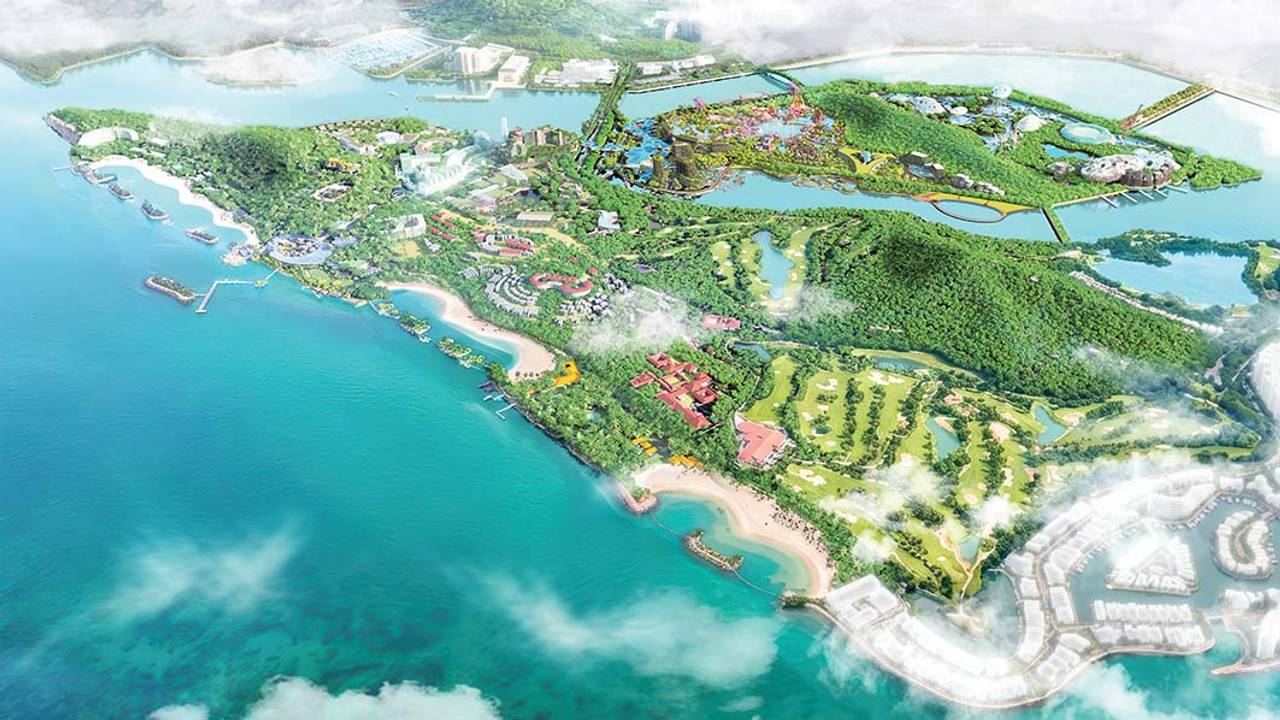
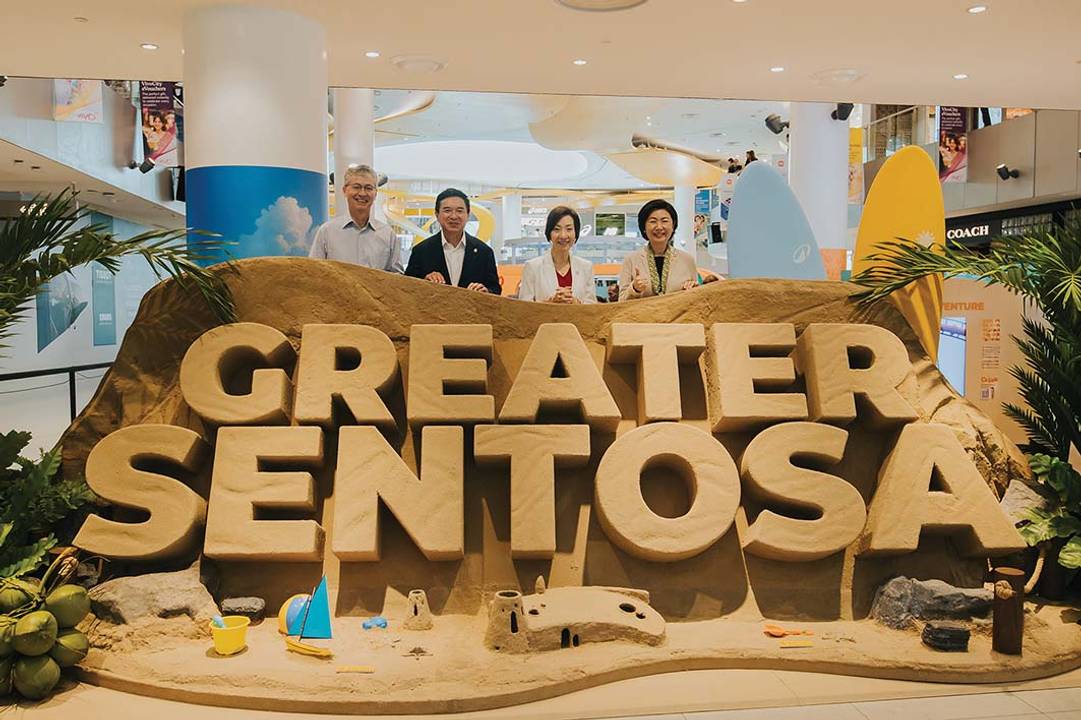
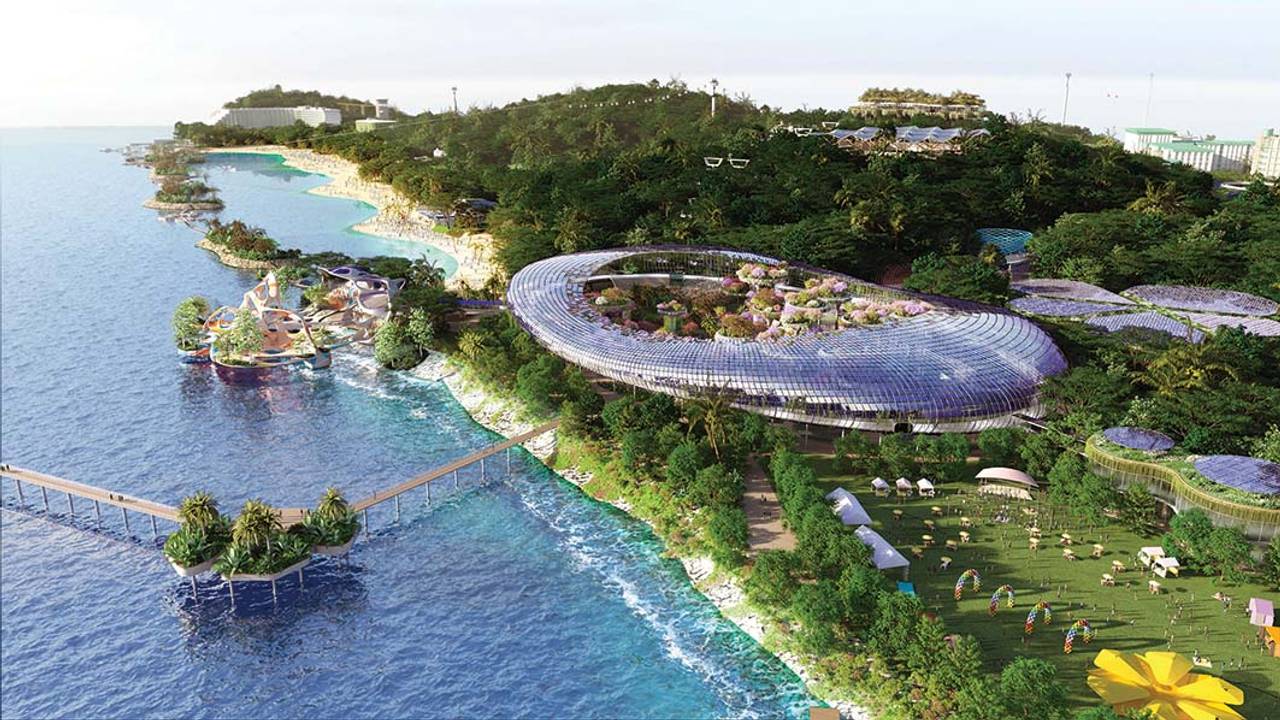
Sentosa Development Corporation (SDC) has unveiled the next chapter of the Greater Sentosa Master Plan (GSMP) – a bold, long-term transformation that will integrate Sentosa with Brani and progressively expand the island over the next two decades.
Comprising Sentosa and the 120-ha Brani, Greater Sentosa is expected to provide new spaces for hotels, attractions and experiences while retaining the island’s charm and natural elements. When completed, this large-scale development is projected to draw twice as many visitors as it does today.
“The GSMP is the greatest transformation in our history. We will stay true to the soul and identity of this island, while shaping the next generation of world-class experiences,” said Thien Kwee Eng, chief executive officer of SDC.
Anchored on the vision of Sentosa as Singapore’s ‘Island Playground and Sanctuary in a Global City’, the GSMP aims to bring together new iconic landmarks, rejuvenated beaches and coastlines, nature-centric growth, and enhanced connectivity.
A long-term transformation
The transformation will be implemented progressively, with developments scheduled to come on board from the early 2030s. This phased approach will allow SDC to offer new visitor experiences across Greater Sentosa while continuing to evolve the island in line with changing leisure, lifestyle and tourism needs.
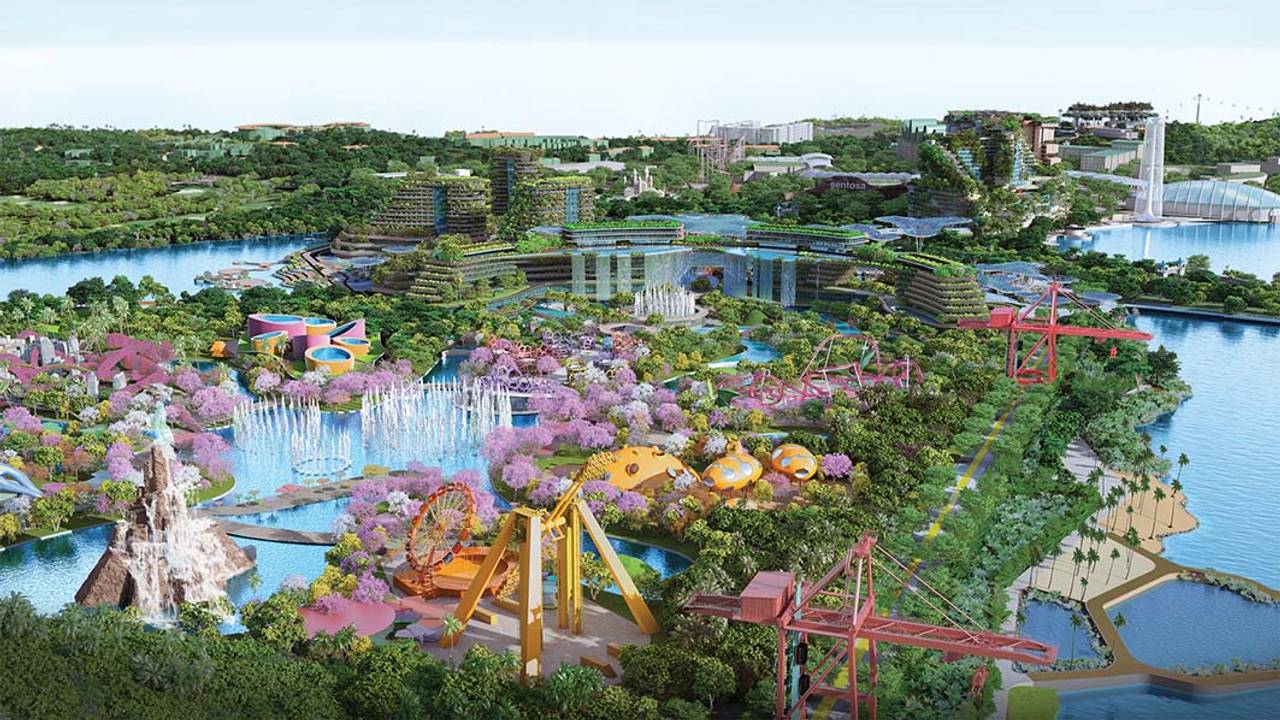
A key part of this pipeline is Brani West, intended to be one of the largest sites for attractions development under the GSMP. Engagements with potential partners are underway, supporting the broader ambition to introduce new and refreshed experiences that reinforce Greater Sentosa’s appeal.
Among the new iconic landmarks is Imbiah Canopy, a beacon and vantage point atop Mount Imbiah that will house attractions, food and beverage offerings, retail options, and sheltered event spaces. A treetop skywalk is planned to connect new nature-based experiences and trails, creating a comfortable walking route to Siloso Beach.
This will be complemented by the proposed Imbiah Lookout Walk, a sheltered elevated forest canopy walk that will link Sensoryscape to Imbiah Lookout and provide access to the surrounding Sentosa walking trails. New nature-based attractions will also encourage visitors to explore the secondary forests and heritage buildings at Mount Imbiah, with expanded nature and heritage trails planned in later phases to eventually connect to the Southern Ridges on the mainland.
Together with future plans to link forests across Brani, Serapong and Imbiah into a continuous green network, Greater Sentosa’s ecological connectivity will be further strengthened.
Along the beachfront, Sensorium is envisioned as a new icon that will host a range of lifestyle and indoor attractions, including a multi-purpose venue for events and festival activations. The space will also reflect SDC’s commitment to sustainability.
Rejuvenated beaches and coastlines
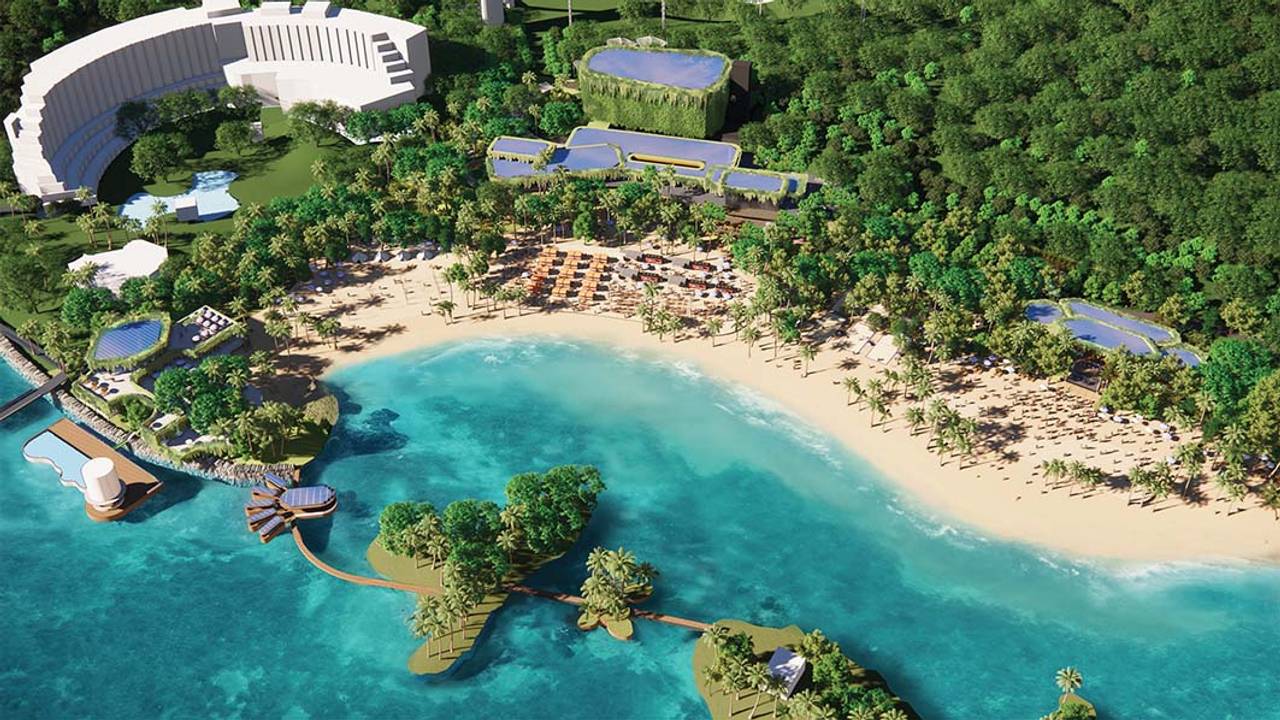
Siloso, Palawan and Tanjong beaches will be rejuvenated alongside the introduction of coastal protection measures. New experiences that showcase Sentosa’s natural assets are also being explored, including coastal activities, beach clubs and a floating boardwalk connecting the islets.
Concepts under study include beach club experiences positioned around scenic sunrise and sunset views, as well as treetop dining, turning the island’s beachfronts into more vibrant and flexible spaces for different occasions.
Greater connectivity
Connectivity to and within Greater Sentosa is expected to be transformed through enhanced land, air, sea and waterfront links. The Island Heart Transport Hub is envisioned as a major gateway and key arrival point to Sentosa, linking Sentosa and Brani while providing visitors with a convenient way to arrive, gather and continue their journey across the island.
A new People Mover System is intended to replace the existing Sentosa Express, creating a more seamless connection from the mainland to Island Heart and across the island. With increased carrying capacity, it is designed to accommodate anticipated growth in visitor numbers. This will complement the Singapore Cable Car, water taxi connections under exploration, and additional waterfront links being studied.
Nature centric
As Greater Sentosa grows, the GSMP will deepen Sentosa’s identity as a nature-centric destination by embedding sustainability, climate resilience, thermal comfort and ecological considerations into its long-term planning. Building on initiatives such as Cooling Sentosa, future developments will adopt a more integrated approach, incorporating greenery, movement routes, green infrastructure and guest experiences to improve thermal comfort, strengthen ecological connectivity, and ensure new experiences align with Sentosa’s natural setting.
Sensoryscape, the first completed milestone of the GSMP, offers an early example of this approach. Beyond serving as a 350-m green connector between Resorts World Sentosa and the island’s beaches, it combines immersive gardens, universal design, all-weather and shaded features, digital elements and ecological enhancements – including native plantings and a butterfly corridor – to demonstrate how infrastructure can support thermal comfort, deliver richer and more inclusive guest experiences, strengthen biodiversity, and improve visitor flow.
This integrated planning approach will guide future developments under the GSMP, with completed and planned environmental studies and nature group engagements informing climate-resilient design, ecological connectivity and the sensitive integration of new experiences with Sentosa’s ridgelines, greenery, coastlines and heritage. Coastal protection measures will help build resilience against erosion and sea-level rise while creating opportunities for new waterfront offerings, including coastal trails and islet-hopping activities.
All images: Sentosa Development Corporation
Note: This story has also been published in the Jul/Aug 2026 issue of SEAC (with more images). Click here to read it online or here to download the PDF (pages 26-27 and 29).